Pollen clinging to siding, green growth spreading across a walkway, and dark streaks beneath gutters are more than curb-appeal problems. They can keep allergen-containing debris close to the doors, windows, patios, and entryways your family, tenants, customers, and employees use every day. So, does washing remove allergens? Yes – when the right cleaning method is used, exterior washing can remove a meaningful amount of pollen, mold residue, mildew, dust, and organic buildup from property surfaces.
The key is understanding what washing can do, what it cannot do, and why a professional approach protects both your property and the people who use it.
Does Washing Remove Allergens Completely?
Washing removes allergens by physically lifting and rinsing them away from exterior surfaces. Pollen settles on roofs, siding, decks, concrete, outdoor furniture, window frames, and gutters. Wind then stirs it back into the air, while shoes, pets, and clothing can track it indoors. A thorough wash reduces that surface load instead of allowing it to collect season after season.
Mold and mildew require more than a quick rinse. These organisms thrive where moisture and shade meet organic debris, particularly on north-facing walls, shaded decks, fence lines, sidewalks, and roof edges. Their spores and fragments can contribute to allergy-like irritation for sensitive people. Proper soft washing uses an appropriate cleaning solution to break down and treat organic growth, followed by a controlled rinse that removes the residue.
Still, no exterior cleaning can eliminate every allergen from the air. During Bay Area pollen season, new pollen can land on a freshly cleaned property within hours. Washing is not a replacement for indoor air filtration, medical care, or routine home cleaning. It is a practical way to reduce the buildup on the surfaces immediately around your building and make that buildup easier to manage.
Which Outdoor Allergens Washing Can Remove
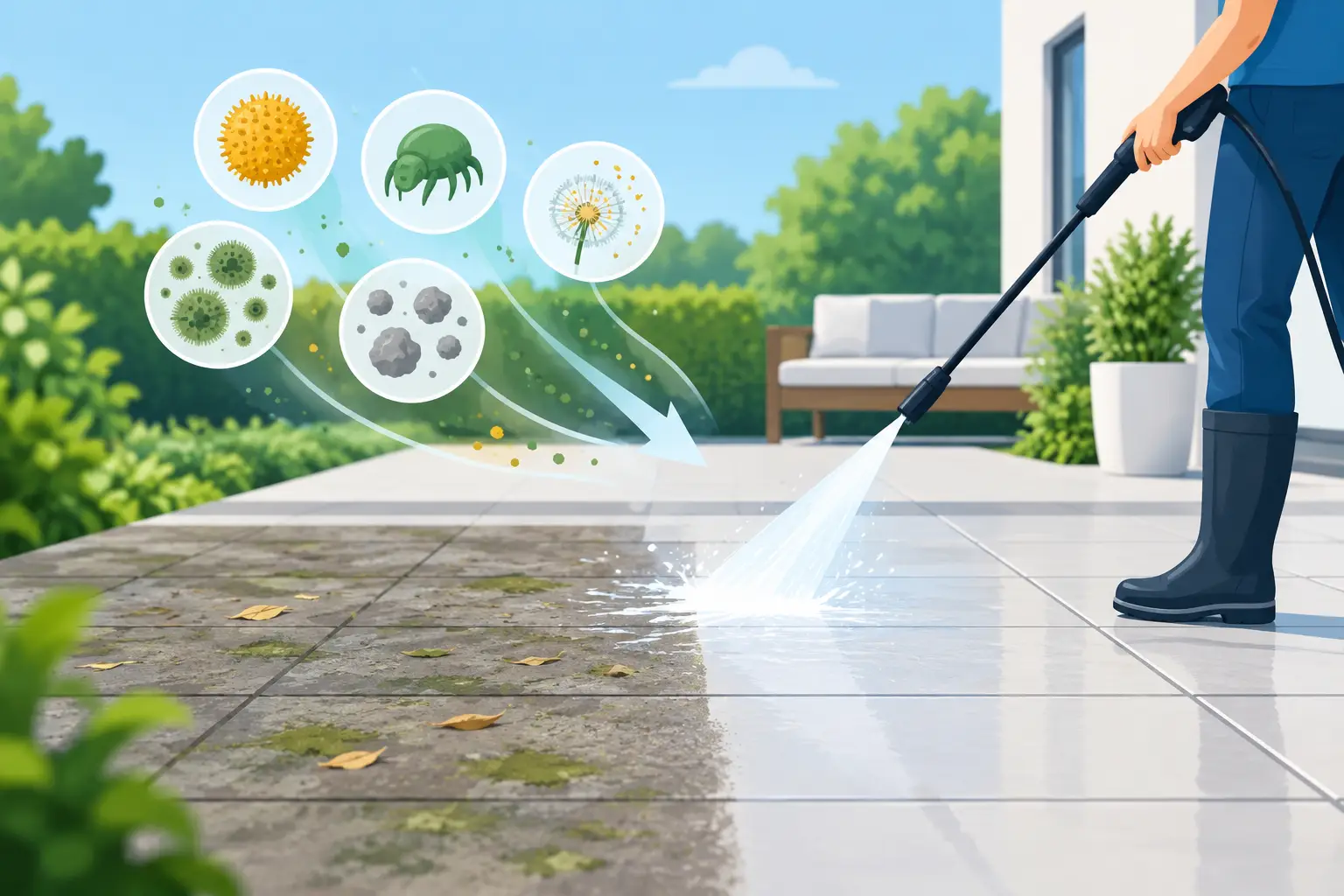
Outdoor surfaces collect far more than visible dirt. Common triggers include pollen from trees, grasses, and weeds; mold spores and mildew residue; dust and soil; pet dander carried outdoors; and organic debris such as leaves, seed pods, and decomposing plant matter.
Pollen is usually the easiest to remove. A professional rinse and detergent-assisted wash can clear the yellow-green film that gathers on painted siding, window ledges, patios, vehicles, and railings. The difference is often visible right away, especially after dry, windy weather.
Mold and mildew demand more care because they can cling to porous materials and feed on surface contaminants. Concrete, wood, composite decking, stucco, and aged paint may need different treatment strengths and rinse pressures. Simply blasting these areas with excessive pressure can scar the surface, force water behind siding, strip paint, or spread spores and debris across nearby areas.
Dust is less dramatic, but it matters. Fine dust can hold pollen, vehicle emissions, and other particles against a building exterior. On commercial sidewalks and storefronts, it also makes the property look neglected. Regular washing removes the film before it becomes embedded in textured concrete or exterior finishes.
Why Soft Washing Often Beats High Pressure
Pressure washing is effective for durable hardscapes such as driveways, sidewalks, and certain masonry surfaces. It restores concrete by removing grime, algae, tracked-in dirt, and seasonal buildup. But high pressure is not the right answer for every allergy-related cleaning job.
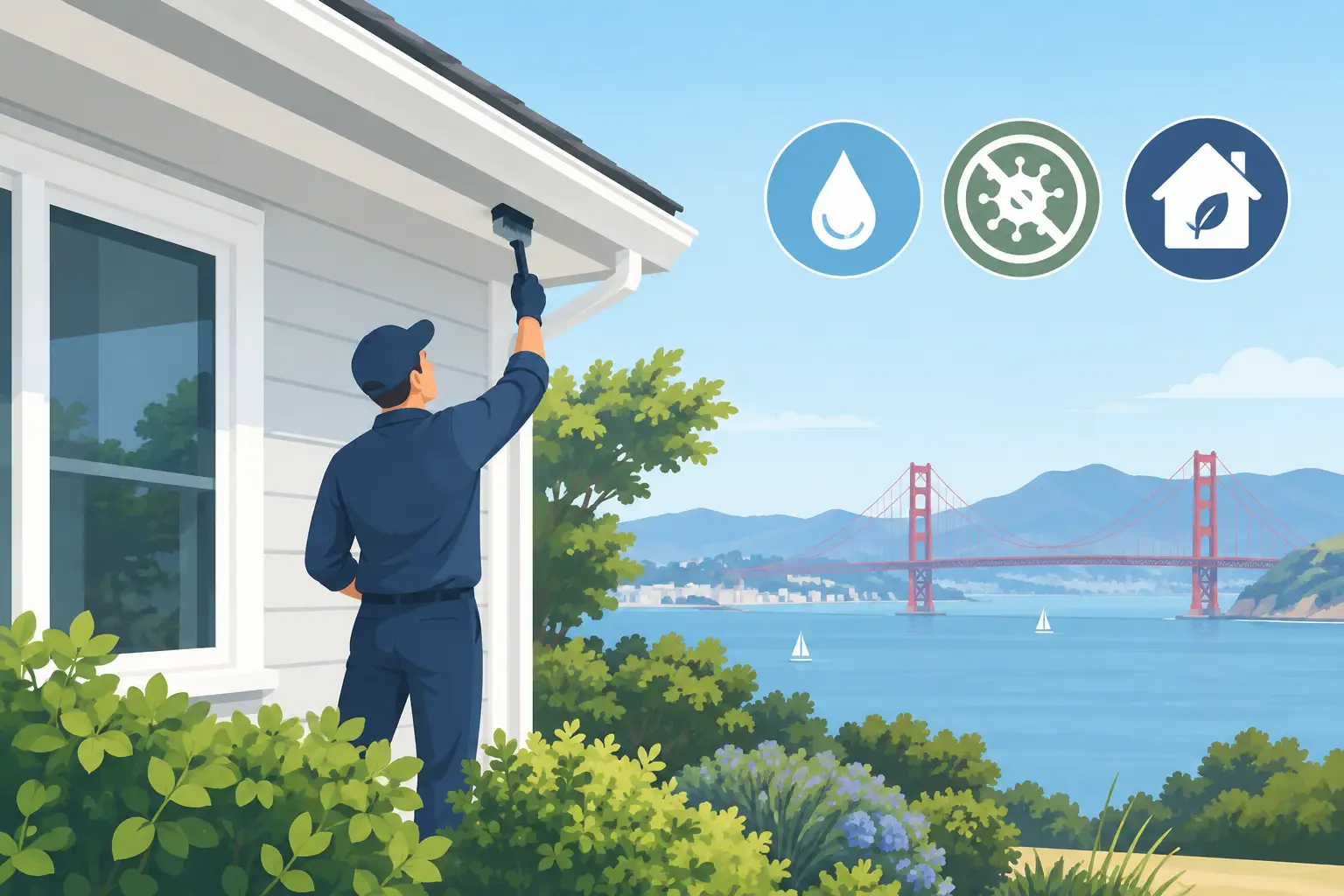
Soft washing applies low-pressure water with carefully selected cleaning agents to treat and rinse delicate surfaces. It is generally the safer choice for siding, stucco, painted wood, roofs, gutters, trim, and many decks. Rather than relying on force alone, the process addresses the organic material causing stains and buildup.
That distinction matters when your goal is allergen reduction. A fast, high-pressure rinse may remove loose pollen, but it may not adequately treat mold or mildew. Worse, poor technique can damage a surface and create areas where moisture lingers – exactly the conditions that allow future growth.
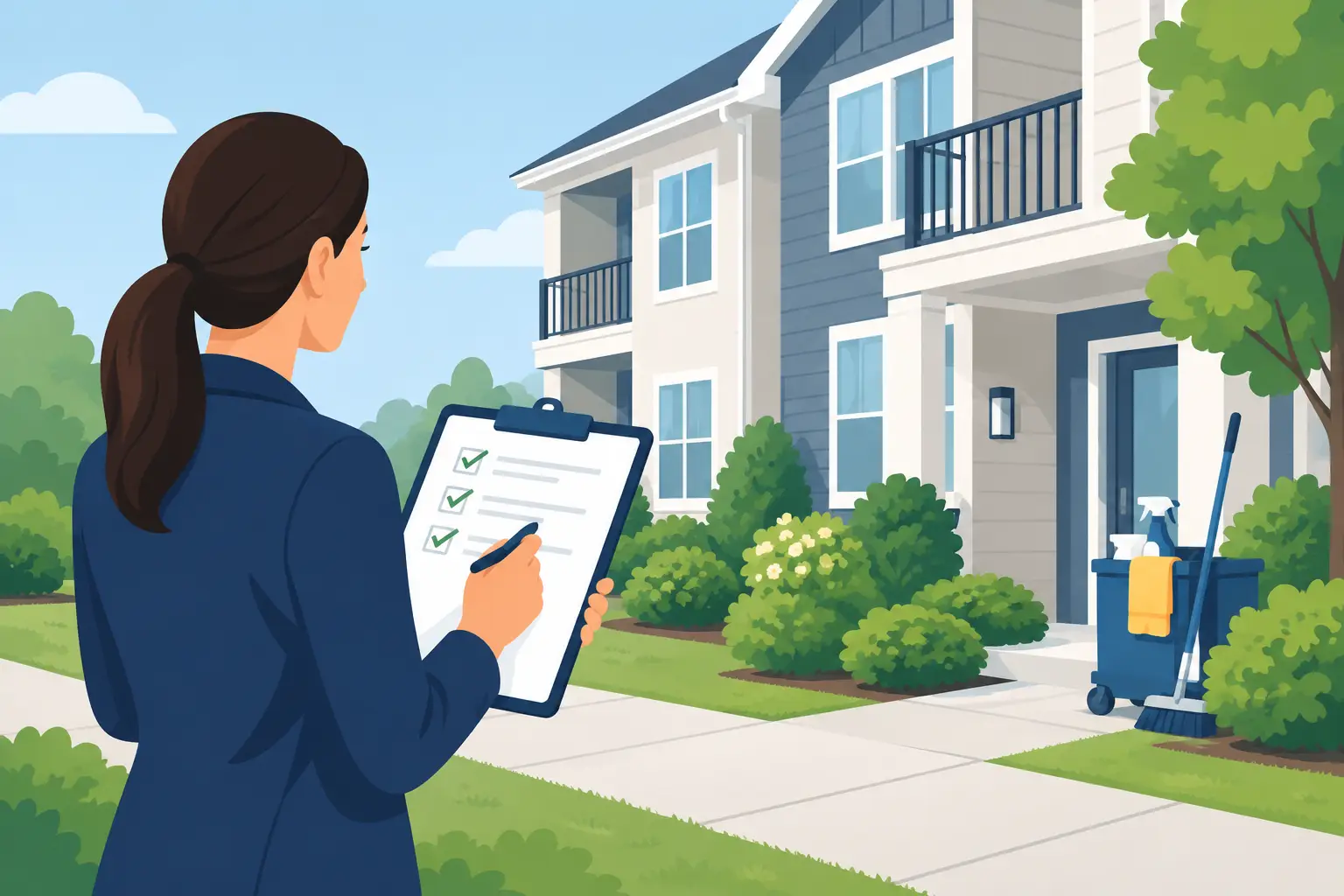
A trained exterior-cleaning crew evaluates the material, the level of buildup, drainage conditions, landscaping, and nearby windows or entry points before selecting a method. The result is a cleaner surface without trading short-term results for expensive repairs.
Where Allergen Buildup Causes the Biggest Problems
Allergens collect wherever air movement, shade, moisture, and foot traffic overlap. Homeowners often notice the issue on a patio or deck first, but the less obvious areas deserve attention too.
Gutters are a prime example. When gutters are packed with leaves, granules, and organic debris, moisture can remain near the roofline and exterior walls. That can encourage mildew growth and water problems around soffits, fascia, and foundations. Gutter cleaning does not replace washing, but the two services work together to reduce moisture-driven buildup.
Entryways and walkways are another high-value target. Guests and tenants walk through these areas every day, tracking pollen and debris inside. For businesses, a stained or slippery sidewalk also affects the first impression customers have before they reach the door. Clean concrete improves appearance, but it can also help remove organic film that holds moisture and reduces traction.
For multi-unit properties, shared breezeways, stairwells, dumpster pads, courtyards, and exterior corridors deserve scheduled attention. These areas accumulate debris faster because of frequent use and can quickly become a source of odors, stains, and recurring growth.
When Should You Schedule Exterior Allergen Cleaning?
The best timing depends on your property and local conditions. In the Bay Area, pollen can build up during spring, while damp coastal conditions and shaded microclimates can support mildew at other times of year. A property surrounded by mature trees, dense landscaping, or heavy traffic may need more frequent service than an open, sunny lot.
For many homes, an annual exterior wash is a solid baseline, with targeted cleaning for decks, walkways, gutters, and high-growth areas as needed. Properties with visible mildew or consistently heavy pollen may benefit from seasonal service. Commercial buildings and multi-unit communities often see better results from quarterly maintenance because clean entry zones and walkways are part of the day-to-day customer and tenant experience.
Do not wait for a surface to turn black, green, or visibly streaked. Early cleaning is usually faster, safer, and easier on paint, sealants, and exterior materials. It also prevents organic buildup from becoming a deeper restoration project.
What Property Owners Can Do Between Professional Washes
Professional cleaning handles the hard work, but routine upkeep helps keep allergens from rebuilding quickly. Keep leaf litter and standing water away from foundations and walkways. Trim vegetation back from siding so air can circulate and surfaces can dry. Clear furniture, planters, and stored items away from exterior walls where moisture and debris can collect.
After a high-pollen day, a gentle garden-hose rinse on durable outdoor furniture and patio surfaces can reduce loose residue. Avoid using a pressure washer on siding, windows, roofs, or wood unless you know the correct technique and pressure setting. The damage caused by a DIY mistake can cost far more than a professional cleaning appointment.
Also pay attention to runoff. If water repeatedly pools near a deck, walkway, or wall, cleaning alone will not solve the underlying growth problem. Drainage adjustments, gutter maintenance, and vegetation management may be needed to keep the area dry enough for lasting results.
A Cleaner Exterior Is Part of Property Protection
Allergen removal is one of the practical benefits of exterior washing, but it is rarely the only one. The same pollen, dust, mildew, and organic debris that irritate sensitive people can stain surfaces, trap moisture, dull paint, and make a well-kept property look tired before its time.
For homeowners, that means a more comfortable outdoor space and a stronger first impression. For landlords, property managers, and business owners, it means cleaner common areas, better presentation, and fewer avoidable maintenance issues. Blast Off Now Pressure Washing uses surface-appropriate pressure washing and soft-wash methods to remove buildup without treating every material like concrete.
If pollen, mildew, or grime is building up around your property, address it while the job is still straightforward. A clean exterior gives allergens and organic growth fewer places to settle, and gives your property the cared-for appearance it deserves.