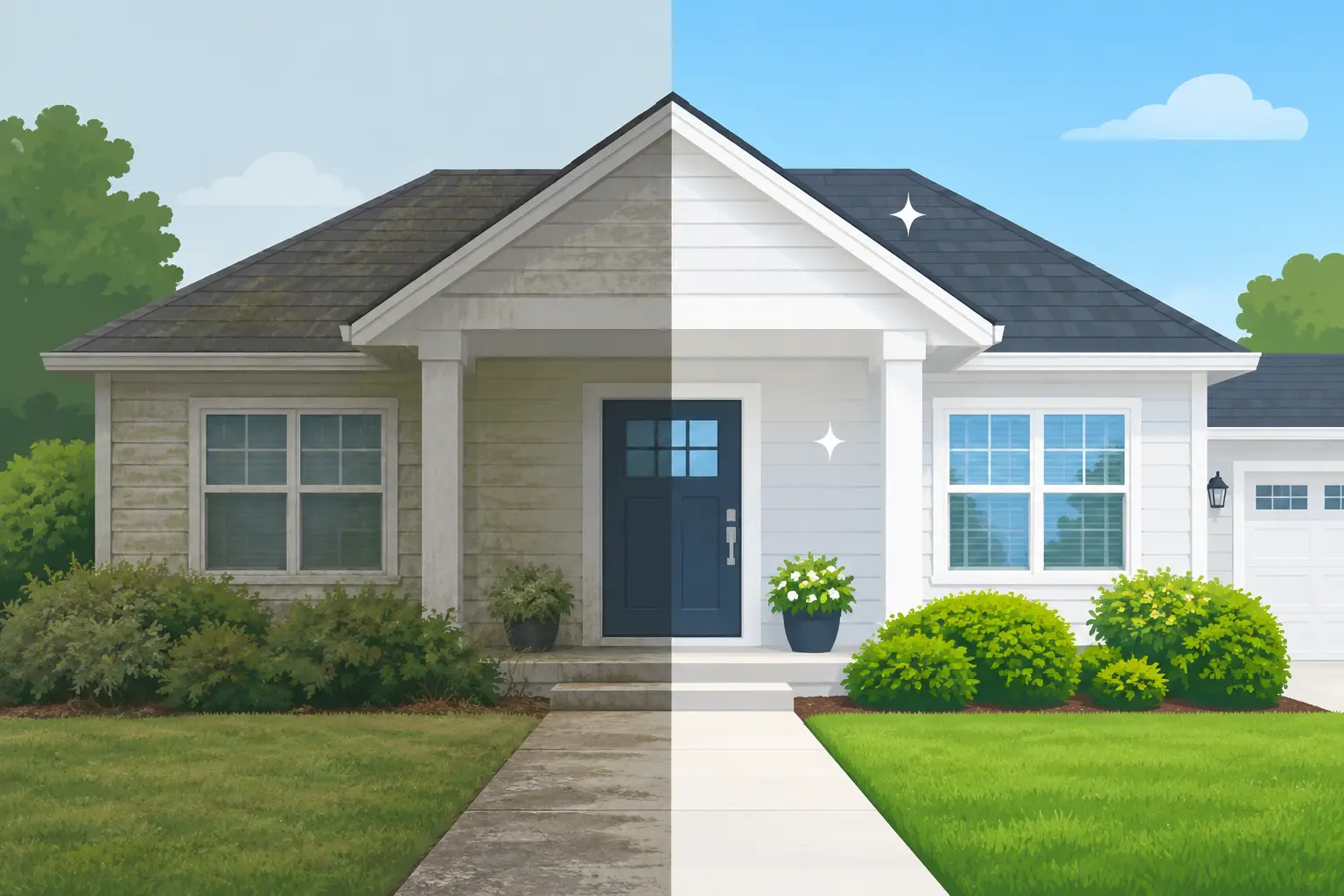
A driveway can be structurally sound and still make a property look neglected when it is covered in tire marks, oil spots, algae, and tracked-in dirt. The same is true of stained siding, darkened walkways, overflowing gutters, and a storefront tagged with graffiti. So, does cleaning improve curb appeal? Absolutely – often faster and more dramatically than owners expect.
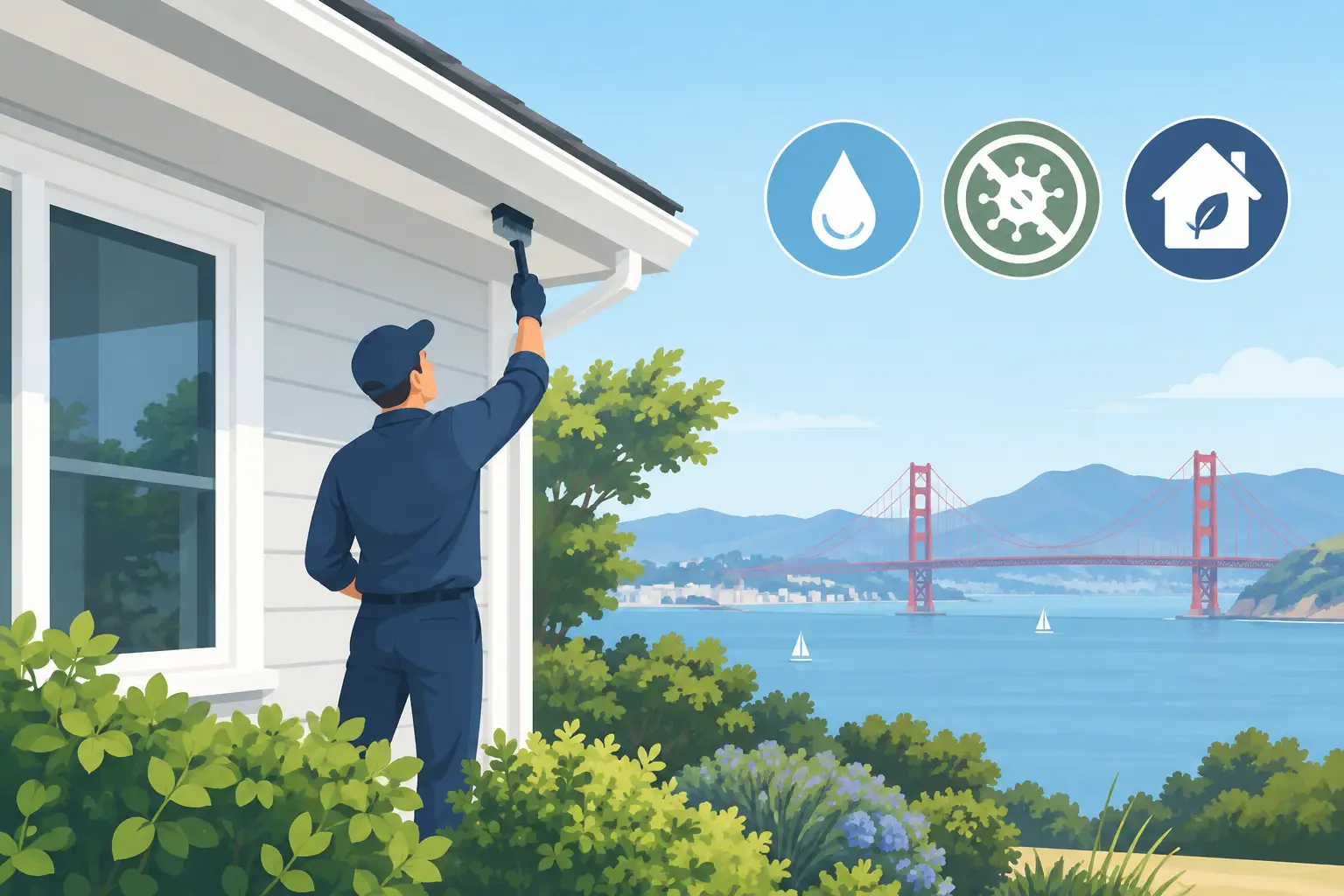
For Bay Area homes and commercial properties, exterior cleaning is not simply about making surfaces brighter for a day. It removes the buildup that hides a property’s best features, creates a poor first impression, and can contribute to premature wear. A clean exterior tells visitors, tenants, buyers, and customers that someone is paying attention.
Does Cleaning Improve Curb Appeal at First Glance?
Curb appeal is the immediate impression a property gives from the street, sidewalk, parking lot, or entryway. Before someone notices a remodeled kitchen or well-managed office, they notice the approach: the facade, windows, concrete, landscaping edges, roofline, and front door.
Dirt and organic growth change how those surfaces look. Mildew can make light-colored siding appear gray or green. Algae creates dark streaks on concrete and can make a walkway look slippery and uncared for. Vehicle traffic leaves driveways dull and blotchy. Even a small amount of graffiti can make an otherwise maintained building feel vulnerable.
Professional cleaning restores contrast. Concrete looks lighter, siding looks closer to its intended color, and architectural details become visible again. The effect is especially noticeable around entryways, where clean steps, walkways, gutters, and exterior walls frame the entire property.
For homeowners preparing to sell, that visual reset can help a listing photograph better and feel more inviting at showings. For landlords and property managers, it supports pride of place and a better tenant experience. For a retail or commercial location, it helps ensure customers see a professional business rather than a maintenance problem.
The Areas That Make the Biggest Difference
Not every surface needs the same level of attention. The most valuable cleaning plan focuses first on the areas people see and use every day.
Driveways, sidewalks, and walkways
Concrete collects some of the most visible stains on a property. Oil, rust, tire residue, leaf tannins, gum, mildew, and dirt build up slowly, which makes the decline easy to miss until the whole surface looks darker than it should.
Cleaning these areas improves curb appeal because it sharpens the lines around the home or building. It can also improve traction where algae and mildew have made walking surfaces slick. In shaded Bay Area locations, that safety benefit is every bit as worthwhile as the visual one.
Siding, stucco, and building exteriors
Exterior walls catch dust, pollution, pollen, spiderwebs, and moisture-driven growth. On painted surfaces, stucco, and delicate finishes, the wrong pressure can cause damage. That is why soft washing matters. It uses a controlled, lower-pressure approach and appropriate cleaning solutions to lift organic growth without treating every wall like a concrete driveway.
A properly cleaned exterior can make an older property look cared for without the cost and disruption of painting before it is truly needed. Cleaning will not fix peeling paint, cracked stucco, or damaged siding, but it reveals the actual condition of the surface so repairs can be planned honestly.
Gutters, rooflines, decks, and patios
These features affect curb appeal more than many owners realize. Overflowing gutters create black streaks and suggest deferred maintenance. A stained deck can make an otherwise polished backyard feel tired. A patio covered in grime discourages people from using outdoor space that should be an asset.
Cleaning helps restore these areas, but method matters. Wood, composite decking, painted trim, and roofing materials each require the right pressure, technique, and detergent. Aggressive washing may remove surface dirt while leaving behind splintering, etching, or water intrusion. The goal is restoration, not brute force.
Graffiti and high-traffic commercial surfaces
For businesses and multi-unit properties, time matters. Graffiti, gum, spills, and dirty sidewalks can change how safe and welcoming a location feels overnight. Rapid removal is often the right call because graffiti becomes harder to remove as it cures and can invite repeat tagging when left in place.
Clean storefronts, entrances, loading zones, and parking-area walkways show customers and tenants that the property is actively managed. That is a practical business signal, not just a cosmetic one.
Cleaning Protects the Materials Behind the Appearance
The visual transformation is the immediate reward, but property protection is the longer-term value. Mold, mildew, algae, and accumulated debris hold moisture against surfaces. Over time, that moisture can contribute to staining, surface deterioration, clogged gutters, and preventable maintenance issues.
On concrete, regular cleaning can help prevent contaminants from becoming deeply embedded. On decks and siding, removing biological growth gives the material a better chance to dry as intended. Gutters that are cleared and flowing help direct water away from fascia, foundations, and landscaping.
There are limits. Pressure washing cannot repair failed caulking, replace damaged roofing, erase deep corrosion, or reverse extensive wood rot. But catching those issues after cleaning is often easier than trying to inspect a surface hidden under grime. A clean property gives owners a clearer maintenance picture.
Why DIY Cleaning Can Be a Mixed Result
A rental pressure washer can be useful for a small, durable concrete area, but exterior cleaning is not one-size-fits-all. Too much pressure can scar concrete, strip paint, force water behind siding, damage window seals, or leave visible wand marks. Too little pressure or the wrong cleaning solution can leave algae alive beneath the surface, allowing it to return quickly.
There is also the safety question. Wet concrete is slippery, ladders create risk, and chemicals need to be handled carefully around landscaping, pets, and drainage areas. A professional crew brings commercial-grade equipment, surface-specific methods, and the judgment to know when soft washing is safer than high-pressure cleaning.
That difference is especially important for delicate homes, historic materials, multi-story buildings, and commercial properties with constant pedestrian traffic. Blast Off Now Pressure Washing uses certified soft-wash methods and eco-safe detergents when the surface calls for a gentler approach, while using the right equipment for stubborn concrete, walkways, and heavy-use areas.
How Often Should You Clean for Strong Curb Appeal?
The answer depends on shade, trees, weather exposure, traffic, and the type of property. A sunny home with little tree cover may need less frequent washing than a shaded Oakland property where moisture and algae return quickly. A busy San Francisco storefront may need regular sidewalk attention because foot traffic, city grime, and graffiti do not wait for an annual schedule.
For many homes, an annual exterior review is a smart starting point, with driveway, walkway, gutter, deck, or house washing scheduled as conditions require. Commercial sites often benefit from recurring service, sometimes quarterly, because their appearance directly affects customers, tenants, and daily operations.
Rather than waiting until stains become severe, look for early signs: green growth near the foundation, dark gutter streaks, slippery patches on walkways, dull concrete, dirty entry areas, or water spilling over gutters during rain. Addressing buildup early is usually simpler and helps keep the property consistently presentable.
A Cleaner Exterior Makes Every Other Improvement Work Harder
Fresh landscaping, a new front door, updated signage, or exterior paint all look better against clean surfaces. Cleaning is often the practical first step because it lets you see what the property already has to offer before spending money on larger upgrades.
If your driveway, siding, walkways, gutters, deck, or building exterior is pulling down the impression of an otherwise solid property, do not let buildup set the tone. A professional assessment can identify the right cleaning method, protect the surfaces that matter, and bring back the clean, cared-for appearance people notice before they ever step inside.